Deepening Strategic Cooperation between FOTIMA Group and Kazakhstan's KazGASA Institute of Architecture and Design
—— Celebrating the 45th Anniversary of the Institute and Jointly Building an International Art Education New Platform
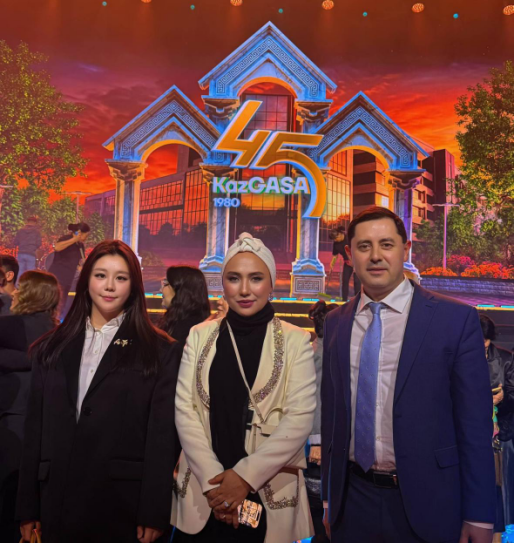
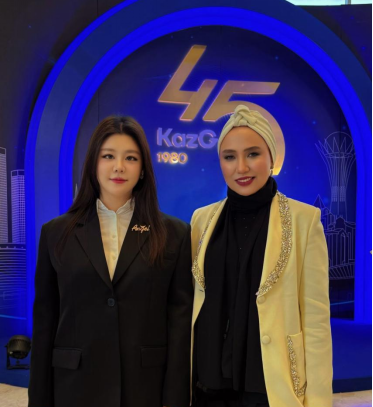
Recently, Ms. Lu Yizhen, CEO of FOTIMA Group, was invited to attend the 45th anniversary celebration of Kazakhstan's KazGASA Institute of Architecture and Design (hereinafter referred to as "KazGASA Institute"), where the two parties officially signed a strategic cooperation agreement. This cooperation marks a key step in FOTIMA Group's education and cultural layout along the "Belt and Road", in Central Asia and the Russian-speaking region. With the upcoming FOTIMA ART LAB as the core, the two parties will build an international art and design education platform oriented to Central Asia, linking China and Kazakhstan, and radiating the Russian-speaking region, to boost the high-quality development of related undertakings in Kazakhstan and the region.
I. Strategic Cooperation to Celebrate the Institute's Anniversary
As the most influential architectural and design university in Kazakhstan and Central Asia, KazGASA Institute has a history of 45 years, enjoying an outstanding reputation in architectural design, environmental art and other fields. It is a core position for cultivating design talents in Central Asia and the Russian-speaking region, and also an important window for Kazakhstan's foreign cultural and educational exchanges.
The 45th anniversary celebration of the institute has attracted wide attention from institutions and industrial organizations in Central Asia and the Russian-speaking region. Leaders from Kazakhstan's Ministry of Education attended and delivered a speech, affirming the institute's role in promoting art education in Central Asia and cultural exchanges in the Russian-speaking region. Representatives from many universities in Central Asia, heads of local architectural groups in Kazakhstan and invited guests from the Russian-speaking region gathered to discuss the future of regional art education and industrial development.
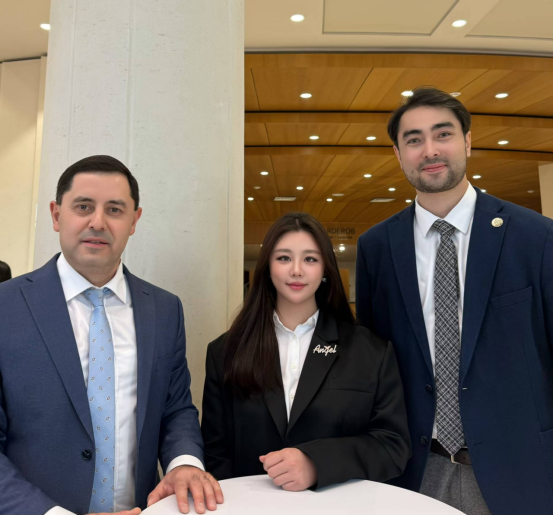
Ms. Lu Yizhen held in-depth consultations with the senior management of KazGASA Institute and reached a consensus: against the background of the advancement of the "Belt and Road" Initiative, the deepening of cultural and people-to-people exchanges between China and Kazakhstan, and the accelerated integration of cultural and educational exchanges in Central Asia and the Russian-speaking region, establishing a normalized strategic cooperation between the two parties is not only the need for their own development, but also a specific practice to promote the integration of regional cultural and education and implement the "Belt and Road" people-to-people exchange concept.
II. FOTIMA ART LAB: The Core Carrier of China-Kazakhstan Art Education Cooperation
The core carrier of the strategic cooperation between the two parties —— FOTIMA ART LAB, will soon be completed and opened in Room 510 of the MOK Building of KazGASA Institute. As FOTIMA Group's first normalized art education cooperation platform in Kazakhstan and a cultural exchange node radiating Central Asia and the Russian-speaking region, it will integrate the advantages of both parties and undertake four core functions:
-
Joint Talent Training: Carry out teacher-student exchanges, joint courses and double-degree cooperation between China, Kazakhstan, Central Asia and the Russian-speaking region, build cross-regional talent training channels, and cultivate high-quality art and design talents for the region;
-
Creative Practice Base: Provide creative space for young artists from China, Kazakhstan, Central Asia and the Russian-speaking region, regularly hold exhibitions and exchange activities, and promote artistic mutual learning and talent growth;
-
Industry Linkage Window: Link cultural industry resources in Central Asia and the Russian-speaking region with China's advantages, promote the transformation of design achievements, and empower the high-quality development of regional cultural industries;
-
Academic Research Center: Hold international forums, workshops and master classes oriented to Central Asia and radiating the Russian-speaking region, build a high-end academic exchange platform, and improve the level of regional art education.
The establishment of FOTIMA ART LAB is an important step in FOTIMA Group's international layout and an innovative practice of cultural and people-to-people exchanges between China and Kazakhstan. It will break cross-regional exchange barriers, cultivate compound art and design talents for Kazakhstan, Central Asia and the Russian-speaking region, and promote the improvement of regional education level.
III. Witnessed by All Parties, the Cooperation Prospect is Widely Expected
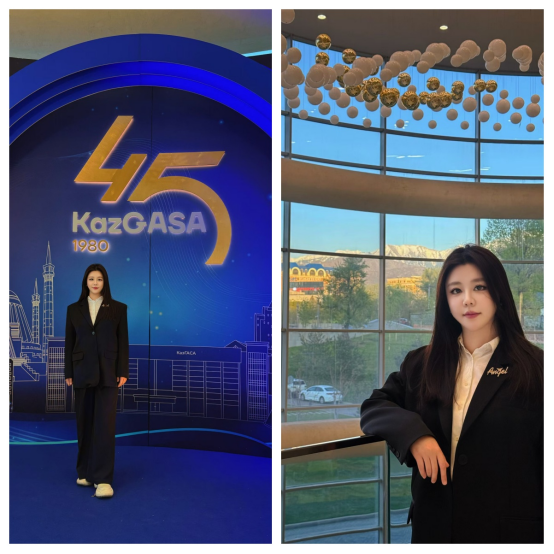
During the celebration, Ms. Lu Yizhen introduced the planning and positioning of FOTIMA ART LAB to all guests. All parties highly praised this cooperation model, believing that it will inject vitality into KazGASA Institute, provide a model for art education cooperation in Central Asia and the Russian-speaking region, help deepen cultural and people-to-people exchanges between China and Kazakhstan and regional cultural prosperity, and is a vivid embodiment of "Belt and Road" people-to-people exchanges.
Leaders from Kazakhstan's Ministry of Education emphasized that transnational university-enterprise cooperation is an important way to improve the internationalization of education and promote people-to-people exchanges. They look forward to the two parties deepening cooperation, building a benchmark for China-Kazakhstan education cooperation, building a cultural and educational bridge between Central Asia, the Russian-speaking region and China, and consolidating the talent foundation for regional friendship.
With the establishment of strategic cooperation and the upcoming opening of FOTIMA ART LAB, the cooperation between the two parties has entered a fast track. With the support of all parties, this platform will become a cultural link connecting China with Central Asia and the Russian-speaking region, build a bridge for youth exchange, artistic mutual learning and industrial coordination, inject motivation into regional cultural prosperity, and help "Belt and Road" people-to-people exchanges go deeper and more solid.